
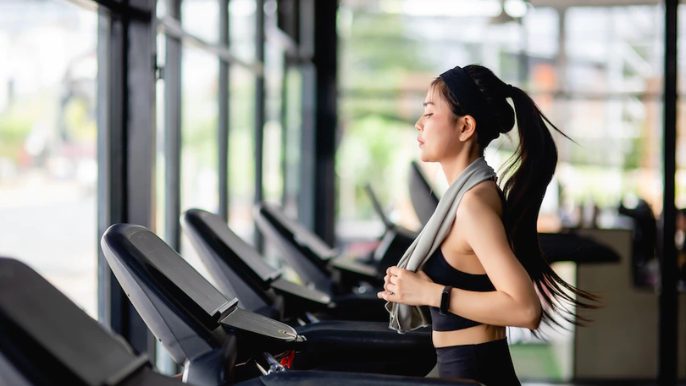

Business travel in Singapore is efficient, fast paced, and often physically demanding. Long flights, packed meeting schedules, late dinners, and irregular sleep can disrupt training routines within days. Many travellers search for a gym singapore option that fits into tight schedules without requiring complex planning or recovery time they cannot afford.
This article explains how travellers can train effectively near CBD hotels, how to structure short but meaningful workouts, and how to maintain energy and recovery while moving through Singapore for work or events.
Why travel disrupts fitness faster than expected
Travel stress is cumulative. Even short trips can strain the body due to changes in routine rather than lack of discipline.
Common travel related challenges include jet lag, dehydration, long sitting hours, and inconsistent meal timing. These factors reduce training quality and increase fatigue if workouts are not adapted.
The goal while travelling is not peak performance. It is maintenance, stress regulation, and energy preservation so work performance does not suffer.
Training priorities for short stays in Singapore
Travellers often make the mistake of trying to replicate home workouts. This usually leads to excessive soreness or exhaustion.
A smarter approach prioritises:
-
Full body stimulation
-
Moderate intensity
-
Short sessions with clear structure
Thirty to forty five minutes is more than enough when exercises are selected carefully.
Choosing the right workout format when time is limited
The most effective travel workouts combine strength and light conditioning without excessive volume.
Full body strength sessions
A single full body session maintains muscle and metabolic health.
Focus on:
-
One lower body movement
-
One upper body push
-
One upper body pull
-
One core stability exercise
Two to three sets per movement is sufficient during travel.
Low impact conditioning over high intensity
High intensity intervals can be tempting, but they often worsen jet lag and recovery.
Low to moderate intensity cardio supports circulation and reduces stiffness without draining energy reserves.
Location matters more than equipment
When staying near the CBD, accessibility determines consistency. Gyms that are close to business districts or connected to transport hubs remove friction from training decisions.
Travellers benefit most from facilities that allow easy entry, flexible session timing, and clear layouts that reduce time spent figuring out where to train. This is where structured gyms such as TFX Singapore are useful, as they are located near central areas and support efficient, no guesswork workouts.
Managing jet lag through smart training
Training can help reset circadian rhythm when done correctly.
Morning light movement helps signal wakefulness, while evening sessions should focus on mobility or light strength rather than intensity.
Avoid heavy late night workouts, as they elevate cortisol and delay sleep onset.
Hydration and recovery in humid conditions
Singapore’s humidity increases fluid loss, even during short workouts.
Travellers should:
-
Hydrate consistently throughout the day
-
Avoid excessive caffeine to compensate for fatigue
-
Cool down properly after training
Ignoring hydration increases perceived exertion and reduces recovery quality.
Structuring a realistic travel training week
Most business trips last three to five days. Training should fit this window without creating fatigue that carries into work obligations.
A realistic structure includes:
-
One full body strength session
-
One light cardio or mobility focused session
-
Daily walking between meetings
This maintains fitness without overloading the system.
Walking as a hidden travel fitness tool
Walking is one of the most effective and overlooked travel strategies. It supports blood sugar control, reduces stiffness from flights, and improves sleep quality.
Using walking intentionally between meetings or after dinner provides recovery benefits without scheduling formal workouts.
Avoiding common travel training mistakes
Travellers often sabotage their fitness by overcorrecting.
Common mistakes include:
-
Training too hard to compensate for missed days
-
Ignoring sleep in favour of workouts
-
Skipping meals before training
-
Trying unfamiliar high intensity classes
Consistency and moderation outperform intensity during travel.
Nutrition considerations without strict dieting
Travel meals are often social or client driven. Instead of strict rules, focus on simple principles.
Prioritise protein at meals, eat regularly, and avoid long fasting windows during busy days. These habits support training performance and energy stability.
Using gym sessions to improve work performance
Well planned gym sessions do more than maintain fitness. They improve mental clarity, mood, and focus.
Many travellers report better meetings and decision making on days they train lightly compared to days they skip movement entirely.
Time efficient workouts that respect work schedules
Efficiency comes from structure, not rushing.
A thirty minute session with planned exercises is more effective than an unstructured hour. Clear movement selection reduces cognitive load and saves time.
Returning home without feeling depleted
The goal of travel training is to return home feeling normal, not exhausted.
When workouts support recovery and circulation, travellers avoid post trip crashes and resume normal routines faster.
Real life FAQ
Is it worth training if I am only in Singapore for two days?
Yes. Even one well planned session improves circulation, sleep quality, and energy during meetings.
Should I train on arrival day after a long flight?
Light movement or mobility is better than heavy training. Save strength work for the following day if possible.
Can hotel gyms replace full gym sessions?
They can help, but limited equipment often restricts exercise selection. A proper gym allows more balanced full body training.
How do I avoid soreness during business trips?
Reduce volume, avoid unfamiliar exercises, and prioritise recovery focused training.
Is morning or evening training better while travelling?
Morning sessions help with jet lag, while evening sessions should be lighter. Choose based on schedule consistency.
How do I train if my day runs late?
Short sessions still count. Even twenty minutes of focused movement is beneficial.
Does humidity affect workout intensity?
Yes. Humidity increases cardiovascular strain. Reduce intensity and extend rest periods accordingly.
Can walking replace cardio during short trips?
For many travellers, yes. Walking combined with strength training is enough to maintain fitness over short stays.
Travelling does not have to derail fitness or energy levels. With realistic expectations, structured sessions, and smart recovery, gym training becomes a tool to support work performance rather than compete with it.

Comments are closed.