
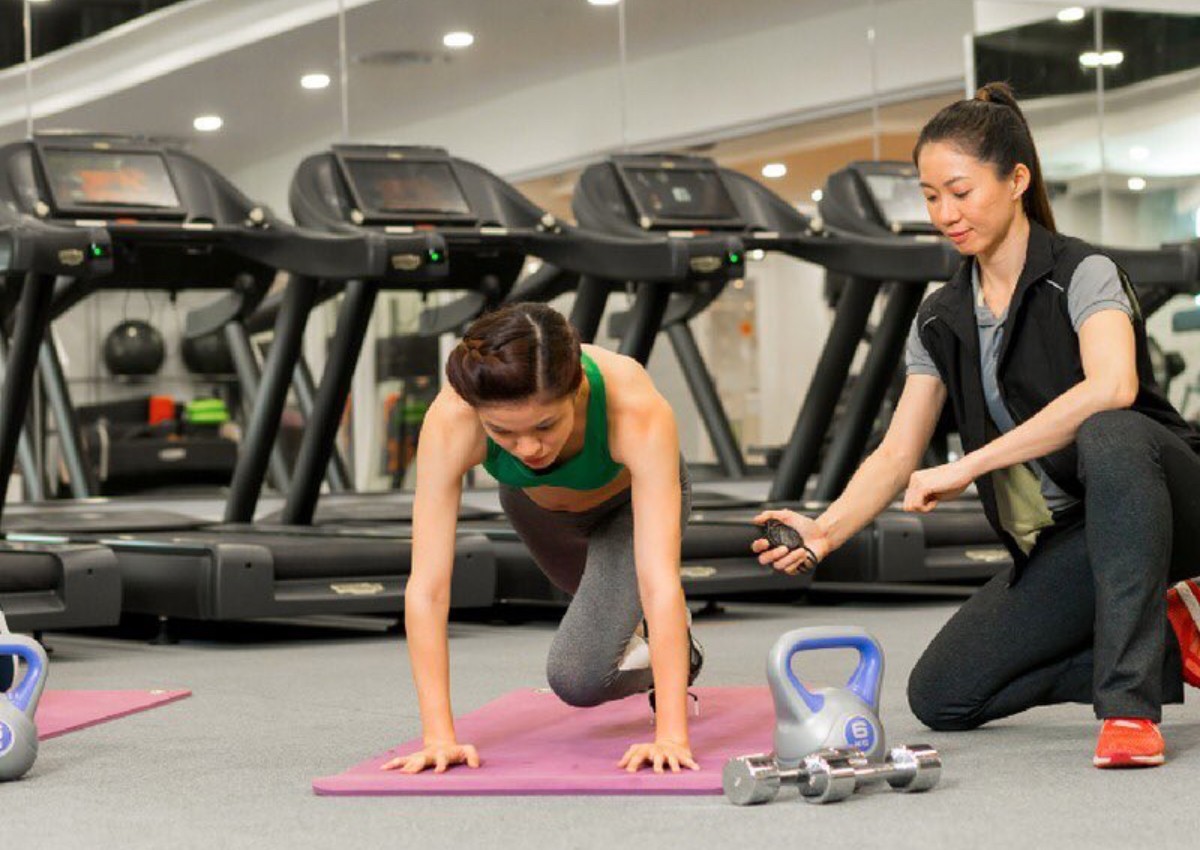

Frequent travel can make fitness difficult. Flights disrupt sleep, hotel schedules change routines, meals become inconsistent, and work trips often leave little time for exercise. For professionals who travel often, the challenge is not motivation alone. It is building a training base that can survive an unpredictable lifestyle.
A practical fitness gym singapore routine can help frequent flyers create stability between trips. Instead of trying to train perfectly everywhere, they can use Singapore as their reliable fitness base. When they are home, they train with structure. When they travel, they maintain simple habits. This balance can keep fitness from disappearing during busy travel seasons.
Why Travel Disrupts Fitness
Travel changes almost every fitness variable. Sleep may be shorter. Meals may be richer or later. Time zones may affect energy. Hotel gyms may be limited. Work schedules may fill the day. Even walking patterns can change depending on the destination.
Frequent flyers often face:
- Jet lag
- Irregular meals
- Long sitting during flights
- Limited workout equipment
- Busy meetings
- Social dinners
- Reduced recovery
- Lower motivation after returning
These disruptions are normal. The solution is not to expect a perfect routine. The solution is to build a strong base.
What a Training Base Means
A training base is the routine a person returns to when life becomes normal again. For frequent flyers, Singapore can become that base. It is where they have access to proper equipment, classes, familiar schedules, and a structured environment.
A base routine may include strength training, cardio, mobility, and recovery. It does not need to be complicated. It needs to be reliable.
The goal is to avoid restarting fitness after every trip.
Strength Training Should Be the Anchor
Strength training is a strong foundation for frequent travelers because it helps maintain muscle, posture, and functional ability. Long flights and hotel workdays often involve sitting, which can leave the body stiff. Strength training helps restore movement and build resilience.
A frequent flyer may aim for two or three strength sessions per week when in Singapore. These sessions can focus on full-body movements to make the best use of limited time.
Useful focus areas include:
- Legs and glutes
- Back and shoulders
- Core stability
- Hip mobility
- Controlled pushing and pulling movements
Full-body training works well because travel schedules may not allow a complex split routine.
Mobility Matters After Flights
Long flights can make the hips, back, neck, and shoulders feel tight. Mobility work should be part of a frequent flyer’s routine. It helps the body feel ready to train and can reduce stiffness from travel.
Mobility sessions may include yoga, stretching, light cardio, or simple movement drills. Even 15 minutes can help after a flight.
A gym with mobility areas and classes can make this easier.
Cardio Helps Restore Energy
Travel can leave people sluggish. Moderate cardio can help them feel more awake and active after returning. This does not mean doing intense intervals immediately after a long flight. A lighter cardio session may be more appropriate.
Options include:
- Incline walking
- Cycling
- Rowing at moderate effort
- Elliptical training
- Low-intensity classes
Once energy improves, harder conditioning sessions can be added.
Avoid Training Too Hard Right After Travel
One mistake frequent flyers make is trying to “make up” for missed workouts immediately after returning. This can lead to fatigue or soreness. A better approach is to re-enter training gradually.
After a long trip, the first session can be moderate. The goal is to restart the routine, not punish the body.
A return-to-training session may include:
- Light warmup
- Mobility work
- Moderate full-body strength
- Easy cardio
- Stretching
This helps rebuild momentum.
Hotel Workouts Should Be Simple
When traveling, the goal is maintenance. Hotel workouts do not need to match full gym sessions. A simple plan can keep the body active until the person returns to Singapore.
A travel workout might include:
- Bodyweight squats
- Pushups
- Lunges
- Planks
- Resistance band rows
- Light dumbbell movements
- Walking
- Stretching
The goal is to preserve the habit. The deeper progress can happen at the training base.
Scheduling Workouts Around Trips
Frequent flyers should plan workouts based on travel dates. The week before a trip may include strength and cardio. The travel week may include shorter maintenance sessions. The return week may focus on re-entry and recovery.
This flexible planning prevents guilt. It also helps people avoid unrealistic expectations.
A practical approach:
- Before travel: train normally
- During travel: move daily when possible
- After travel: restart with moderate sessions
- Normal weeks: return to structured training
Nutrition Does Not Need to Be Perfect
Business travel often includes restaurant meals, airport food, and social dining. Trying to eat perfectly may not be realistic. Instead, frequent flyers can focus on a few consistent habits.
Helpful habits include:
- Prioritizing protein when possible
- Drinking water during flights
- Avoiding excessive alcohol
- Eating vegetables when available
- Keeping snacks for long travel days
- Returning to normal meals after trips
Fitness depends on patterns, not one meal.
Sleep and Recovery Are Part of the Plan
Travel can reduce sleep quality. Training intensity should reflect recovery. If someone slept poorly, a lighter workout may be better than a hard session.
A good training base allows flexible intensity. Members can choose strength, cardio, yoga, or mobility depending on energy level.
This flexibility helps frequent travelers stay consistent without overtraining.
Using Classes for Routine
Classes can be useful when frequent flyers are back in Singapore. A scheduled class helps rebuild rhythm quickly. Instead of deciding what to do, the person follows a set session.
Classes also create accountability. Booking a class can make it easier to show up after a trip.
A frequent flyer may choose one or two regular class times during normal weeks.
Keeping Fitness Identity Stable
Travel can make people feel disconnected from routine. A reliable gym base helps protect fitness identity. The person knows they are someone who trains, even if travel interrupts occasionally.
This mindset matters. Instead of thinking, “I lost my routine again,” they can think, “I am returning to my base.”
That makes consistency easier.
Choosing a Gym for a Travel-Heavy Lifestyle
Frequent flyers should choose a gym that supports flexible schedules, efficient sessions, shower access, class variety, and enough equipment for full-body training. The facility should make it easy to restart after travel.
The best gym is not only useful during perfect weeks. It is useful during busy, tired, and unpredictable weeks too.
Where Brand Fit Matters
A reliable training base can help frequent travelers maintain fitness despite irregular schedules. The right gym environment should support strength, mobility, cardio, and flexible routines.
For professionals comparing options, True Fitness Singapore may be relevant when looking for an indoor fitness base that fits Singapore life between business trips and travel demands.
FAQ
How often should frequent flyers train when they are home?
Two to four sessions per week can work well, depending on schedule and recovery. Full-body strength sessions are often practical.
Should people exercise immediately after a long flight?
Light movement can help, but intense training may not be ideal right away. A moderate re-entry workout is often better.
Are hotel workouts enough during travel?
They can help maintain the habit, but full gym sessions at home are usually better for strength and progression.
What is the best workout for travel-heavy professionals?
A mix of full-body strength, mobility, and moderate cardio usually works well because it supports posture, energy, and consistency.

Comments are closed.