

Selecting the perfect place to sleep is one of the most critical decisions of trip planning. Your choice of lodging dictates more than just where you rest your head at night; it establishes the baseline rhythm of your entire journey. It influences your daily budget, your exposure to local culture, the quality of your sleep, and your opportunities to meet fellow travelers.
Modern global tourism offers a massive spectrum of lodging variants, but the three primary pillars remain hostels, hotels, and homestays. Each serves a completely different philosophy of travel. Selecting the ideal one requires a deep understanding of your personal travel priorities, your financial constraints, and your psychological comfort levels. This comprehensive breakdown evaluates the strengths, weaknesses, and ideal use cases for all three major options to help you choose the right fit for your next venture.
1. Hostels: The Social Hub for Budget-Conscious Explorers
Hostels have undergone a massive evolutionary shift over the last decade. The old stereotype of dingy, unsafe barracks crowded with rowdy backpackers has been largely replaced by chic, designer boutique hostels that offer high-quality amenities, cutting-edge security systems, and highly functional co-working spaces.
The fundamental blueprint of a hostel relies on shared spaces. Guests typically reserve a single bed within a communal dormitory room that can house anywhere from four to twenty occupants, utilizing central shared bathrooms down the hallway. However, almost all modern hostels now feature private en-suite rooms as well, offering a hybrid model for travelers who desire private space but want a communal atmosphere.
The Clear Advantages
-
Unmatched Affordability: For solo travelers and those executing extended multi-month journeys, hostels offer the lowest per-night cost available in urban centers.
-
Instant Social Network: The communal architecture of a hostel—featuring shared kitchens, bars, game rooms, and structured group lounges—makes it incredibly simple to meet companions. Most hostels organize free walking tours, communal dinners, and evening social events.
-
Location Access: Because they maximize space efficiently, hostels are frequently located in the absolute heart of historic city centers or directly adjacent to major transit hubs, places where traditional hotels would be financially prohibitive for average travelers.
The Core Challenges
-
Complete Lack of Privacy: Sleeping in a room with strangers means dealing with contrasting sleep schedules, rustling plastic bags at dawn, and differing cleanliness standards.
-
Ambient Noise Friction: Dormitories are subject to snoring, late-night entries, and early alarms. Even with high-quality earplugs and eye masks, the quality of deep sleep can be compromised.
-
Security Concerns: Although modern properties provide secure individual lockers operated by electronic keycards, storing valuable electronics, passports, and cash in a shared room requires constant vigilance and personal padlock management.
2. Hotels: The Gold Standard for Predictability, Privacy, and Service
Hotels represent the traditional, time-tested approach to hospitality. They operate on a model of absolute personal privacy, structured professional service, and high-quality physical comfort. From budget roadside motels to five-star luxury resorts, the core promise of a hotel is a self-contained, predictable sanctuary where the guest is fully insulated from the outside world.
When you reserve a hotel room, you are purchasing a private ecosystem complete with an individual bathroom, dedicated climate control, professional housekeeping services, and a standardized array of mid-tier comforts like television networks, fresh linens, and small toiletries.
The Clear Advantages
-
Predictability and Reliability: Global hotel chains and established boutique properties operate under strict standardized protocols. You understand exactly what the check-in process will look like, what amenities will be present, and what level of cleanliness to expect before you ever cross the threshold.
-
Comprehensive Service Infrastructure: Hotels provide round-the-clock professional support. Having a 24-hour front desk agent, dedicated luggage storage, on-site maintenance teams, room service, and professional concierge assistance eliminates major logistical stress.
-
Uncompromised Rest: Thick walls, soundproof windows, private entryways, and premium mattresses ensure that hotels remain the premier option for physical recovery, business focus, and deep, uninterrupted sleep.
The Core Challenges
-
High Financial Premium: Hotels are consistently the most expensive option per night, particularly when traveling as an individual or family requiring multiple separate rooms.
-
Cultural Isolation: The interior of a modern hotel room in Tokyo looks remarkably similar to a hotel room in Paris or New York. The experience can feel sterile and disconnected from the surrounding neighborhood culture, as interaction with locals is limited to transaction-based conversations with staff members.
-
Rigid Operational Rules: Hotels operate on strict, unyielding timelines. Early check-ins or late check-outs frequently incur steep financial penalties, and cooking your own food is entirely impossible without paying a massive premium for an extended-stay suite with a kitchenette.
3. Homestays: Immersive Cultural Living and Local Integration
Homestays and private vacation rentals allow travelers to rent a room within a local family’s active home, or occupy an entire residential apartment owned by a resident. This model bypasses the commercial tourism sector entirely, placing you directly inside a living, breathing neighborhood.
In a traditional rural homestay, you live alongside a host family, frequently sharing home-cooked meals and engaging in daily household routines. In urban vacation rentals, you occupy a private apartment, taking on the role of a local resident navigating grocery stores, residential buildings, and neighborhood recycling systems.
The Clear Advantages
-
Deep Cultural Immersion: Living with a local family provides unparalleled insight into regional traditions, values, daily rhythms, and culinary secrets that no museum can convey.
-
Authentic Local Knowledge: Your hosts act as an invaluable, non-commercial concierge resource. They can direct you to hidden neighborhood restaurants, clarify local transport quirks, and help you avoid common tourist scams.
-
Exceptional Functional Value: Homestays and apartments frequently feature full-sized kitchens, laundry machines, and separate living spaces, making them highly economical for families or groups planning stays longer than a week.
The Core Challenges
-
Extreme Variable Quality: Unlike hotels, there is no international governing standard for a homestay. A property may look beautiful in online photographs but suffer from poor water pressure, inconsistent internet connectivity, uncomfortable beds, or hidden maintenance issues in reality.
-
Social and Cultural Pressure: Staying directly inside someone’s primary residence requires a high level of emotional energy. You must continuously respect their household rules, curfew boundaries, quiet hours, and cultural expectations, which can feel restrictive if you desire absolute independence.
-
Complex Logistics: Check-in processes often involve coordinating exact arrival times with an individual owner to swap physical keys, a process that can become incredibly stressful if your flight is delayed or you lack a local cellular data connection to communicate en route.
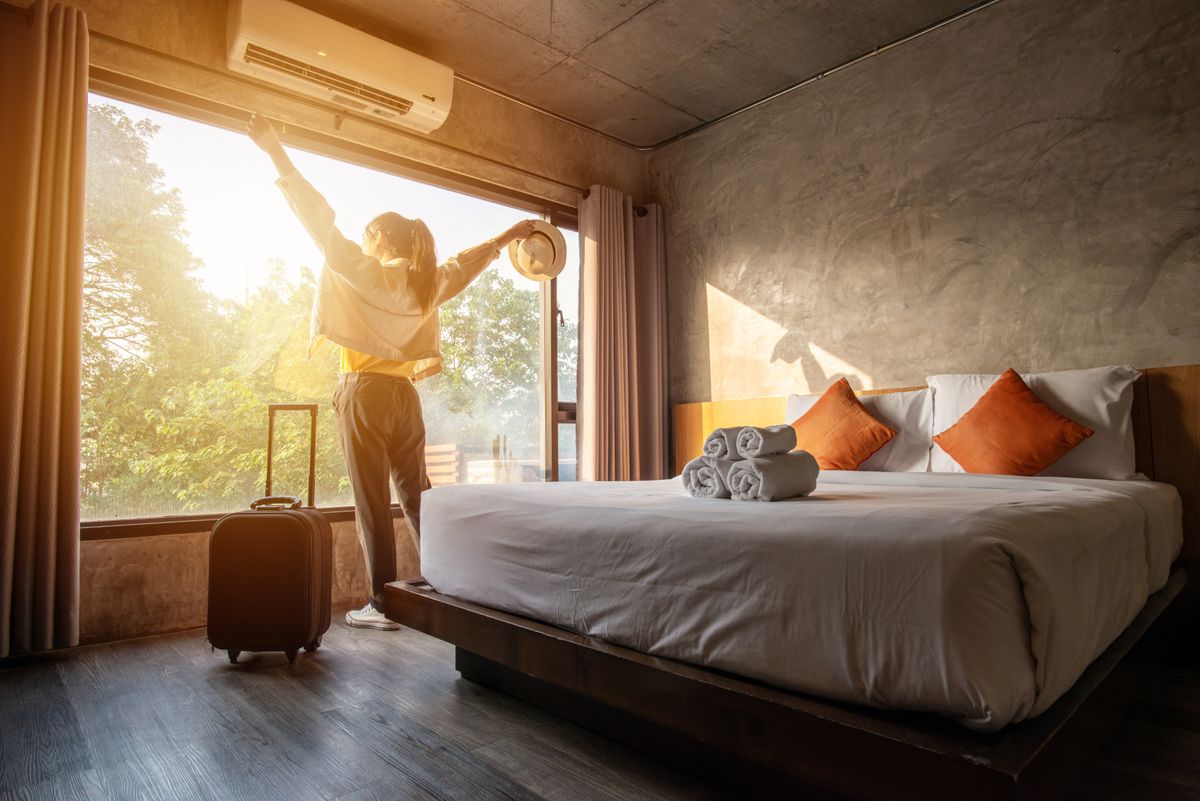
The image below showcases a well-designed, quiet interior space that blends modern comfort with an intimate, private layout, representing the ideal balance sought after in premium independent accommodations.
4. Decision Matrix: Aligning Lodging with Travel Styles
To determine which accommodation architecture matches your upcoming trip, evaluate how your specific travel dynamics align with the core attributes of each option listed below:
| Attribute | Hostels | Hotels | Homestays |
| Primary Focus | Social connection and low cost | Privacy, comfort, and service | Cultural depth and space |
| Best Suited For | Solo backpackers and young travelers | Business travelers and couples | Families and long-term stays |
| Kitchen Access | Shared communal kitchen | Rarely available | Full private or family kitchen |
| Privacy Level | Minimal to low | Absolute and private | Moderate to high |
Frequently Asked Questions
What are flashpacker hostels and how do they differ from traditional youth hostels?
Flashpacker hostels cater to a slightly older, tech-savvy demographic of travelers who possess a higher budget but still crave the social, community-driven atmosphere of a hostel. These properties place a major emphasis on high-end design, secure co-working spaces with high-speed internet connections, private pod-style beds with individual charging ports, and upscale bars, rather than focusing purely on cheap beer and high-density dorms.
How can I verify the safety and legitimacy of a remote homestay before booking?
Focus heavily on the analytical review history of the property across multiple independent platforms. Look for listings managed by verified superhosts who have sustained high ratings over several years. Read the reviews specifically looking for mentions of safety, structural security, lock quality, and host responsiveness. Additionally, always use the internal messaging system of the booking platform to ask a question before reserving; the speed and tone of the host’s reply provides an excellent indication of their professionalism.
Are hotels or homestays better suited for travelers with severe food allergies?
Homestays and private apartment rentals are vastly superior for travelers managing severe food allergies or strict medical diets. Having access to a private, fully equipped kitchen allows you to buy fresh ingredients from local markets and prepare your own meals safely, completely eliminating the language barriers, cross-contamination risks, and menu uncertainties that come with dining out or relying on hotel restaurants.
Do hostels have upper age limits that restrict older travelers from booking?
The vast majority of hostels worldwide have absolutely no upper age limits and openly welcome travelers of all generations. However, a small percentage of specific party hostels located in high-density nightlife districts do enforce an under-35 restriction to maintain a specific demographic profile. Always check the property policy page before booking to confirm if any age restrictions are actively enforced.
What should I do if a hotel or homestay does not match the online description upon arrival?
Document the discrepancies immediately by taking clear photos or videos of the issues, whether it is a lack of cleanliness, broken appliances, or missing amenities. If you are at a hotel, speak directly with the front desk manager to request a room change or immediate resolution. If you are at a homestay, contact the host immediately through the official platform app. If the host fails to resolve the issue within a few hours, escalate the dispute directly to the booking platform customer service team with your digital photographic evidence to request a relocation or a refund.
Is it customary to bring a small gift for your hosts during a traditional homestay?
While it is never an official requirement, bringing a small, thoughtful token from your home country is an exceptional way to establish a warm relationship with a homestay family. Choose items that are unique to your region but easy to pack, such as local specialty sweets, high-quality coffee blends, regional spices, or a illustrated book detailing your home city. Avoid items that are heavy, fragile, or culturally sensitive.

Comments are closed.