
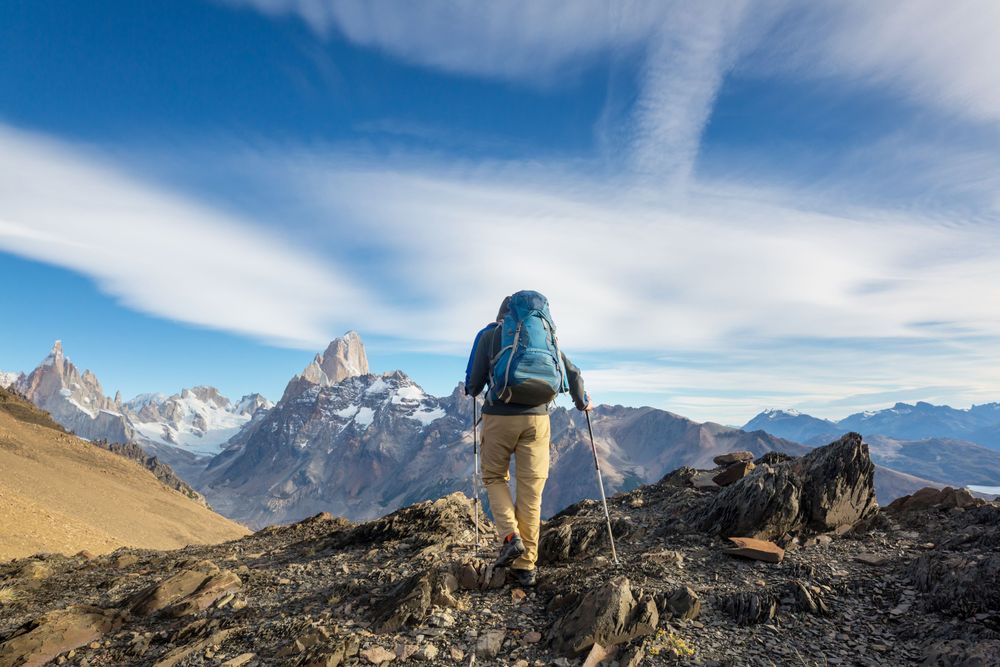

For a specific breed of traveler, a perfect vacation does not involve lounging on a pristine beach or slowly strolling through art museums. Instead, it is defined by a racing pulse, a sudden surge of endorphins, and the thrilling sensation of pushing human physical limits against the raw elements of nature. True adrenaline junkies seek out environments that challenge their fears and demand total focus.
From diving into the depths of the ocean to leaping off vertical cliff faces, the globe is filled with natural playgrounds designed to test your mettle. If you are looking to map out your next high-stakes journey, these ten premier global destinations offer the ultimate fix for thrill-seekers.
1. Queenstown, New Zealand
Widely recognized as the adventure capital of the world, Queenstown is nestled on the shores of Lake Wakatipu against the dramatic backdrop of the Remarkables mountain range. This destination pioneered commercial adventure sports and continues to set the global standard for high-octane activities.
-
The Ultimate Thrill: Leap from the Nevis Bungy, a platform suspended 439 feet above a stark canyon floor, offering an intense 8.5-second freefall.
-
Other Activities: Jet boating through narrow stone canyons on the Shotover River, tandem skydiving over the lakes, and aggressive downhill mountain biking.
-
Why It Matters: Queenstown offers an incredibly concentrated variety of activities, making it possible to experience multiple distinct adrenaline rushes in a single day.
2. Interlaken, Switzerland
Situated between Lake Thun and Lake Brienz and presided over by the massive peaks of the Eiger, Mönch, and Jungfrau, Interlaken is the definitive epicenter for extreme sports in Europe. The unique alpine topography makes it a magnet for sports that utilize gravity and wind.
-
The Ultimate Thrill: Canyoning through the rugged local gorges, which involves rappelling down raging waterfalls, sliding down slick rock chutes, and leaping into deep, crystal-clear glacial pools.
-
Other Activities: Paragliding over the valley, skydiving alongside snow-capped alpine peaks, and night sledding down vertical mountain passes.
-
The Atmosphere: The region combines pristine, postcard-perfect Swiss beauty with an underlying culture of calculated, highly professional risk-taking.
3. Moab, Utah, United States
Moab is a striking desert landscape defined by massive red rock arches, steep canyons, and sandstone fins. It draws off-road enthusiasts and mountain bikers from every corner of the earth who want to test their skills against some of the most technically demanding terrain in existence.
-
The Ultimate Thrill: Mountain biking the legendary Slickrock Trail, a highly technical 10.5-mile loop over undulating sandstone dunes that demands immense physical stamina and flawless bike control.
-
Other Activities: Navigating the treacherous Hell’s Revenge trail in a modified four-wheel-drive vehicle, rock climbing sheer sandstone cliffs, and skydiving over Canyonlands National Park.
-
The Landscape: The complete lack of vegetation on the rock formations provides unparalleled traction, allowing for near-vertical ascents and descents that look physically impossible.
4. Whistler, British Columbia, Canada
While famous for its world-class winter skiing, Whistler transforms into an absolute haven for gravity-fueled adventure during the summer months. Surrounded by dense temperate rainforests and jagged coastal mountains, it offers a rough, rugged terrain ideal for high-speed descents.
-
The Ultimate Thrill: Conquering the Whistler Mountain Bike Park, universally considered the premier downhill biking facility on earth, featuring over 50 miles of lift-accessed trails packed with steep drops, rock gardens, and massive wooden features.
-
Other Activities: Ziplining across deep mountain valleys at speeds exceeding 60 miles per hour, backcountry heli-hiking, and glacier skiing on Blackcomb Mountain.
-
Why It Stands Out: The sheer scale of the infrastructure ensures that riders and adventurers can push their technical skills from dawn until dusk.
5. Victoria Falls, Zambia and Zimbabwe
Where the Zambezi River plummets over a 350-foot basalt cliff, it forms Victoria Falls, the largest curtain of falling water in the world. The immense kinetic energy of the falls creates a localized mist that can be seen from miles away, setting a dramatic stage for extreme water and aerial sports.
-
The Ultimate Thrill: White-water rafting through the Batoka Gorge directly below the falls, tackling some of the most intense, turbulent Class V rapids found anywhere on the planet.
-
Other Activities: Bungee jumping off the historic Victoria Falls Bridge, taking a microlight flight through the spray of the falls, and swimming in Devil’s Pool during the dry season.
-
The Experience: The raw power of the water adds an element of natural scale that makes every activity feel significantly more intense.
6. Chamonix, France
Located at the base of Mont Blanc, the highest peak in the Alps, Chamonix is the birthplace of modern mountaineering. It attracts extreme skiers, snowboarders, and ice climbers who view the steep, glaciated terrain as the ultimate proving ground for high-altitude endurance.
-
The Ultimate Thrill: Skiing the famous Vallée Blanche, an unmarked, un-groomed 12-mile off-piste run that descends through complex glacier fields riddled with deep crevasses and towering ice seracs.
-
Other Activities: Ice climbing vertical frozen waterfalls, speed riding (a combination of skiing and paragliding), and technical mountaineering on granite spires.
-
The Risk Factor: Unlike commercial resorts, the high-alpine environment here requires advanced navigational skills, avalanche awareness, and proper safety gear.
7. Gansbaai, South Africa
For those whose adrenaline is triggered by close encounters with apex predators, the coastal fishing town of Gansbaai is a mandatory pilgrimage site. Located a short drive from Cape Town, the unique ocean currents here attract an abundance of marine life, including high concentrations of sharks.
-
The Ultimate Thrill: Submerging into the frigid Atlantic waters inside a reinforced steel cage to come face-to-face with copper sharks, ragged-tooth sharks, and occasional great whites drawn to the vessel by scent trails.
-
Other Activities: Sea kayak tracking near massive Cape fur seal colonies, whale watching in nearby Hermanus, and fat-bike riding down massive coastal sand dunes.
-
The Sensory Rush: The moment the boat engine cuts out and a massive predatory shadow emerges from the murky blue depths induces an instant, visceral response.
8. La Fortuna, Costa Rica
Situated in the shadow of the highly active Arenal Volcano, La Fortuna is a tropical jungle environment optimized for adventure. The combination of dense rainforest canopies, steep river canyons, and geothermal activity provides a diverse backdrop for multi-sport expeditions.
-
The Ultimate Thrill: Waterfall rappelling, where adventurers strap into climbing harnesses and back down slippery, vertical rock faces directly through the rushing torrent of hidden jungle waterfalls.
-
Other Activities: Whitewater kayaking down the roaring Toro River, exploring subterranean cave networks, and trekking across hanging bridges high within the cloud forest canopy.
-
The Environment: The humid climate and intense sounds of the tropical wilderness add a distinct sensory layer to the physical challenges.
9. Voss, Norway
Voss is widely considered the extreme sports capital of Scandinavia. Surrounded by deep fjords, rushing rivers, and sheer mountainsides, the town has developed a global reputation for aerial and wind-based sports, culminating in an annual extreme sports week that draws professionals worldwide.
-
The Ultimate Thrill: Skydive or indoor wind-tunnel bodyflying over the spectacular western fjords, utilizing the intense updrafts created by the sheer mountain walls.
-
Other Activities: Extreme kayaking down steep, technical river drops, river boarding through turbulent rapids, and paragliding from high mountain peaks down to the lakeside.
-
The Culture: The local community is highly integrated with the outdoor industry, creating an environment where safety innovation and athletic boundaries are constantly evolving.
10. Cairns, Australia
Serving as the primary gateway to the Great Barrier Reef and the ancient Daintree Rainforest, Cairns offers an array of adventures that span from the depths of the ocean to the edge of the atmosphere. The tropical climate allows for year-round operation of high-risk activities.
-
The Ultimate Thrill: Skydiving from 15,000 feet directly over the coast, providing a brief, intense freefall period before floating down with simultaneous views of the tropical rainforest and the coral reef system.
-
Other Activities: Scuba diving with pelagic sharks on the outer reef walls, white-water rafting the raging Tully River, and jungle bungy jumping on a custom tower.
-
The Scale: The proximity of contrasting ecosystems means you can transition from high-altitude aerial sports to deep-sea diving with minimal travel time.
The image below illustrates the precise moment of a high-altitude jump, capturing the intense isolation and gravity-defying focus that defines modern extreme sports.
Frequently Asked Questions
What kind of travel insurance is required for an extreme sports vacation?
Standard travel insurance policies almost universally exclude high-risk activities like bungee jumping, skydiving, whitewater rafting, and technical mountaineering. To ensure you are covered, you must purchase a specialized adventure sports rider or a dedicated extreme sports policy. Always review the policy details to confirm that the specific altitudes, rapid classifications, or depths you plan to experience are explicitly covered.
How can a beginner safely participate in these extreme activities?
Every major adventure destination relies heavily on tandem experiences and certified guiding companies. Tandem skydiving, guided white-water rafting, and tandem paragliding allow beginners to experience maximum adrenaline rushes while leaving the technical management, gear deployment, and emergency protocols in the hands of seasoned professionals with thousands of hours of experience.
What is the best way to handle intense fear or panic right before a jump or descent?
Professional guides emphasize a technique known as box breathing, which involves inhaling for four seconds, holding the breath for four seconds, exhaling for four seconds, and holding again for four seconds. This systematic breathing pattern regulates your heart rate and down-regulates the sympathetic nervous system, allowing you to maintain cognitive control rather than succumbing to blind panic.
How do seasonal weather changes impact the availability of these activities?
Adventure sports are highly dependent on immediate environmental conditions. High winds can ground skydivers and paragliders instantly, while heavy seasonal rains can alter river levels, turning a standard Class III rafting trip into a closed, non-navigable hazard. Always research the shoulder seasons and have secondary land-based options booked in case weather prevents aerial or water activities.
Is it necessary to bring personal specialized gear to these destinations?
Generally, it is preferable to utilize the equipment provided by local operators, as their gear is specifically selected for the unique local environment and subjected to strict local regulatory inspections. Bringing personal items like broken-in hiking boots, specialized climbing shoes, or custom camera mounts is smart, but heavy items like rafts, ropes, harnesses, and parachutes should be rented on-site to ensure they meet regional safety standards.
How do extreme destinations balance environmental conservation with heavy tourism?
The most successful destinations implement strict permit systems, capped daily slot allocations, and mandatory packing laws to prevent environmental degradation. A significant portion of the fees paid for extreme sports tours is typically funneled directly into regional conservation efforts, trail maintenance, and wildlife protection programs to ensure the natural playgrounds remain viable for future generations.

Comments are closed.