
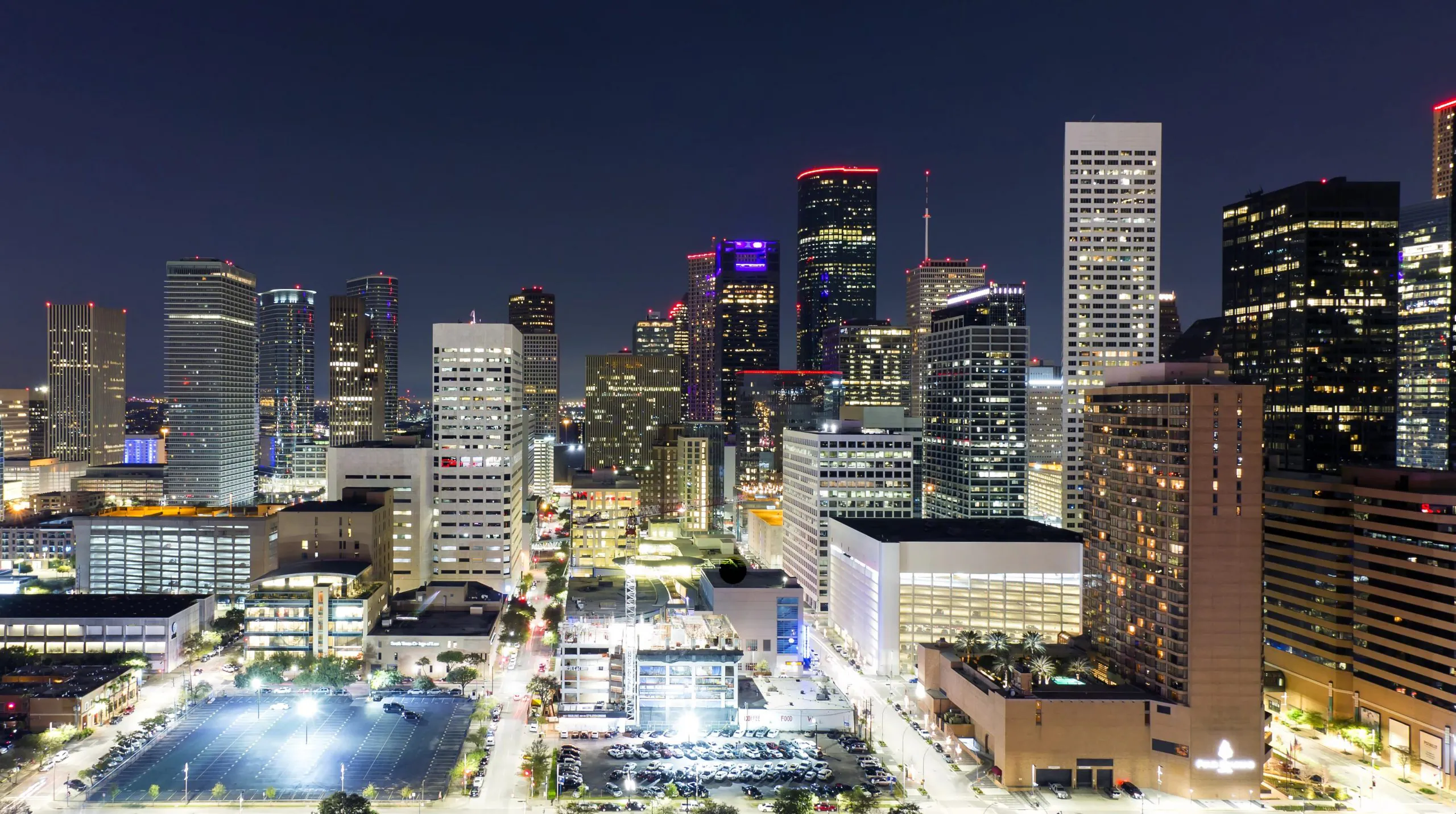

Nightlife is a core window into the soul of a city. While some destinations wind down as darkness falls, others completely transform, channeling fresh energy into illuminated streets, hidden lounges, and massive dance floors. For global travelers who measure the quality of a trip by what happens between sunset and sunrise, certain urban hubs stand far ahead of the rest.
The premier nightlife cities of the world balance local traditions with cutting-edge entertainment trends. From the booming bass of European electronic music temples to the sophisticated elegance of Asian rooftop lounges, these destinations offer distinct ways to experience the late-night hours. This guide explores the premier global hotspots where the evening is always the main event.
Las Vegas, Nevada: The Epicenter of Extravagance
No discussion of nightlife can begin without the glittering strip of Las Vegas. Sin City is built entirely around entertainment, offering a highly concentrated collection of mega-resorts, world-class casinos, and massive club venues that set the benchmark for global production value.
In Las Vegas, nightlife is a theatrical experience. The city specializes in sprawling venue complexes that feature kinetic light shows, complex pyrotechnics, and massive sound systems designed to host the most famous electronic dance music and hip-hop artists in the world. Venues operate at an elite scale, often boasting multi-level dance floors, expansive outdoor terraces, and premium VIP table services that attract international crowds.
However, the local scene has evolved beyond the classic mega-club format. A major shift has introduced highly sophisticated cocktail culture into the mix. Walkable areas like the Arts District feature craft breweries, vintage spaces, and creative cocktail bars utilizing rare spirits and house-made infusions. The city also hosts an impressive array of hidden speakeasies, tucked away behind barber shops, grocery facades, and secret casino panels, allowing visitors to choose between high-octane festival vibes and intimate, upscale lounging.
Berlin, Germany: The Underground Techno Sanctuary
Berlin approaches nightlife with an entirely different philosophy. Rather than focusing on luxury and exclusivity, the German capital celebrates raw authenticity, creative freedom, and electronic music subcultures. It is widely considered the techno capital of the world, offering a deeply immersive clubbing environment where the parties regularly span from Friday night straight through Monday afternoon.
The roots of Berlin’s nightlife are tied to its history. Following the fall of the Berlin Wall, empty warehouses, abandoned power stations, and industrial facilities across East Berlin were repurposed into experimental music venues. This industrial aesthetic remains dominant today, characterized by minimalist decor, concrete structures, and top-tier sound engineering.
Berlin is famous for its distinct clubbing etiquette, which includes strict door policies that prioritize an appreciation for the music over wealth or status. Inside these spaces, a strict no-photo policy encourages guests to disconnect from their devices and engage entirely with the music and community. Beyond the massive techno institutions, Berlin offers an eclectic mix of jazz bars, indie rock venues, and neighborhood pubs known as Kneipen, ensuring an inclusive atmosphere for every type of night owl.
Bangkok, Thailand: A Dynamic Blend of Energy and Affordability
Bangkok is a sensory powerhouse after dark, seamlessly mixing street-level energy with ultra-luxurious sky lounges. The capital of Thailand stays active throughout the night, offering an accessible, budget-friendly playground that caters to backpackers, luxury travelers, and everyone in between.
The city’s nightlife is highly regionalized, with different neighborhoods showcasing completely unique vibes:
-
Sukhumvit and Silom: These central districts host trendy nightclubs, high-end cocktail lounges, and modern dance venues featuring international music styles.
-
Khao San Road: The historic backpacker hub is world-renowned for its chaotic street parties, open-air bars, and communal atmosphere where global travelers connect over affordable drinks.
-
The Rooftop Scene: Bangkok features some of the highest and most visually spectacular open-air rooftop bars in the world. Siping a drink sixty stories above the skyline provides a peaceful, panoramic contrast to the buzzing energy of the streets below.
-
Night Markets: Venues like Asiatique combine late-night shopping and exceptional local street food with live music and open-air performances, creating a balanced evening environment.
Madrid, Spain: The City That Truly Never Sleeps
In Spain, the evening schedule is shifted significantly later than in most other parts of the world. Dinner rarely begins before 9:00 PM or 10:00 PM, meaning the nightlife scene does not truly spark until well past midnight, with major venues regularly operating until 6:00 AM or later. Madrid embraces this late-night lifestyle with immense passion.
The capital’s evening culture centers heavily on socialization. A classic night out begins with a traditional tapas crawl through historic neighborhoods like La Latina or Malasana, where groups move from bar to bar enjoying small plates and local wines. As the night deepens, the crowd migrates toward cocktail joints and multi-story clubs.
Madrid’s scene is highly diverse. The city features legendary institutions that have hosted dance crowds for decades, alongside fresh concepts highlighting dinner-theater hybrids. These trendy venues combine gourmet Latin American or Mediterranean dining with live performances, transforming smoothly into full-scale dance parties as the tables are cleared away. The LGBTQ+ scene in Madrid, centered around the vibrant Chueca district, is also one of the largest and most welcoming in Europe, offering exceptional drag shows and high-energy dance floors.
Tokyo, Japan: Neon Alleys and Specialized Venues
Tokyo offers a futuristic, neon-drenched nightscape that perfectly balances massive entertainment complexes with deeply specialized, intimate venues. The city’s sheer scale means that every musical subculture, hobby, and aesthetic style has a dedicated space to call home.
Major hubs like Shinjuku and Shibuya pulse with incredible kinetic energy. Shibuya is home to multi-level nightclubs pumping bass music, hip-hop, and electronic beats, alongside massive karaoke towers where private rooms can be rented for late-night group singing. Shinjuku features the iconic Golden Gai, a dense grid of narrow alleys packed with over two hundred micro-bars, many of which only seat four to six patrons at a time. These tiny spaces allow for direct conversation with local bartenders who often curate hyper-specific music themes, ranging from classic 1970s punk to vintage vinyl jazz.
Food plays an indispensable role in Tokyo’s nightlife. The local Izakaya culture provides a relaxed environment where coworkers and friends gather after hours to share grilled skewers, sashimi, and cold draft beer or sake. For late-night refueling, twenty-four-hour ramen shops and dessert cafes stay busy until the first morning trains begin running, providing the perfect end to a long night out.
Key Elements of a Great Nightlife City
While each destination brings its own cultural flair to the table, the world’s most successful nightlife capitals share several foundational traits that make them attractive to travelers:
-
Reliable Infrastructure: Safe, accessible public transit or readily available rideshare networks are crucial for facilitating worry-free travel throughout the early morning hours.
-
Diverse Variety: Top-tier cities do not rely on a single style of entertainment. They provide a healthy balance of mega-clubs, quiet lounges, live music halls, and cultural evening events.
-
Late-Night Dining: A robust culinary scene that stays open past midnight is essential for fueling long evenings of exploration.
-
Inclusivity: The best destinations foster spaces where people from all backgrounds can socialize comfortably and express themselves creatively.
Frequently Asked Questions
What is the standard dress code for high-end clubs in Las Vegas?
For premier clubs along the Las Vegas Strip, the dress code is strictly enforced as upscale nightlife attire. Men are generally required to wear collared shirts, well-fitting pants or premium denim, and clean dress shoes or fashionable leather sneakers. Items such as sportswear, baggy clothing, sandals, beachwear, and athletic jerseys are forbidden. Women typically wear cocktail dresses or stylish, tailored outfits paired with heels or dressy flats.
Do Berlin clubs really reject tourists at the door?
Berlin clubs are famous for their selective door policies, but rejections are based on vibe, behavior, and respect for the subculture rather than nationality. To increase the chances of entry, visitors should dress casually and understated, avoid arriving in large, loud groups, and avoid using smartphones in line. Knowing which DJs are playing and demonstrating a genuine interest in the specific electronic music style of the venue is highly beneficial.
Is it safe to explore Bangkok’s nightlife hubs alone?
Yes, Bangkok is generally considered a safe city for solo travelers at night, provided standard safety precautions are followed. Stick to well-lit, populated entertainment districts, use reputable ridesharing applications instead of unmetered street taxis, and monitor your drinks closely. Being mindful of local customs and maintaining a respectful demeanor will ensure a smooth, positive experience.
Why do European nightlife spots stay open so much later than North American ones?
The variance comes down to a combination of local cultural habits and regional licensing laws. Many European nations view nightlife as an integral component of social culture, leading to flexible zoning laws that allow venues to operate without strict closing times. In contrast, many North American municipalities enforce rigid lock-out laws and mandatory alcohol service cut-offs, typically requiring venues to close their doors between 2:00 AM and 4:00 AM.
What is the tipping etiquette at international bars and clubs?
Tipping customs vary heavily by region. In the United States, tipping is foundational, with patrons expected to leave one to two dollars per drink at a bar, or fifteen to twenty percent on a total lounge tab. In western Europe, tipping is appreciated but optional; rounding up to the nearest euro or leaving a small amount of change is customary. In Japan, tipping is not practiced and can occasionally be viewed as confusing or impolite, as exceptional service is considered the standard standard.
How do I locate underground or hidden bars when traveling to a new city?
Discovering speakeasies and alternative local venues requires looking past mainstream tourism platforms. Checking specialized local culture blogs, reviewing current food and beverage industry publications, or simply asking hotel concierges and local bartenders for recommendations are highly effective strategies. Many hidden venues require advance online reservations or specific entry instructions via social media platforms.

Comments are closed.